Category: Uncategorized

  • Mindfulness & Meditation Practices Techniques

    Mindfulness & Meditation Practices: Essential Techniques for Yoga Practitioners
    Professional landscape hero image (1536x1024) featuring bold text overlay 'Mindfulness & Meditation Practices: Transform Your Yoga Journey'

    Have you ever noticed how your mind races during yoga class, jumping from tomorrow’s meeting to last night’s dinner while you’re supposed to be finding inner peace? You’re definitely not alone in this struggle. As someone who has spent years exploring the intersection of yoga and mindfulness, I can tell you that learning mindfulness and meditation practices alongside your physical yoga routine can completely transform your experience on and off the mat. These mindfulness, meditation, and relaxation techniques aren’t just add-ons to your yoga practice—they’re the very foundation that makes yoga truly transformative.

    Key Takeaways

    Mindfulness enhances every aspect of yoga practice by creating deeper awareness of breath, body, and movement
    Simple meditation techniques can be seamlessly integrated into your existing yoga routine for maximum benefit
    Regular relaxation practices help reduce stress, improve focus, and cultivate lasting inner peace
    Breathing exercises serve as the bridge between physical postures and mental clarity
    Consistent practice of even 5-10 minutes daily creates profound shifts in overall well-being

    Understanding the Foundation of Mindfulness in Yoga
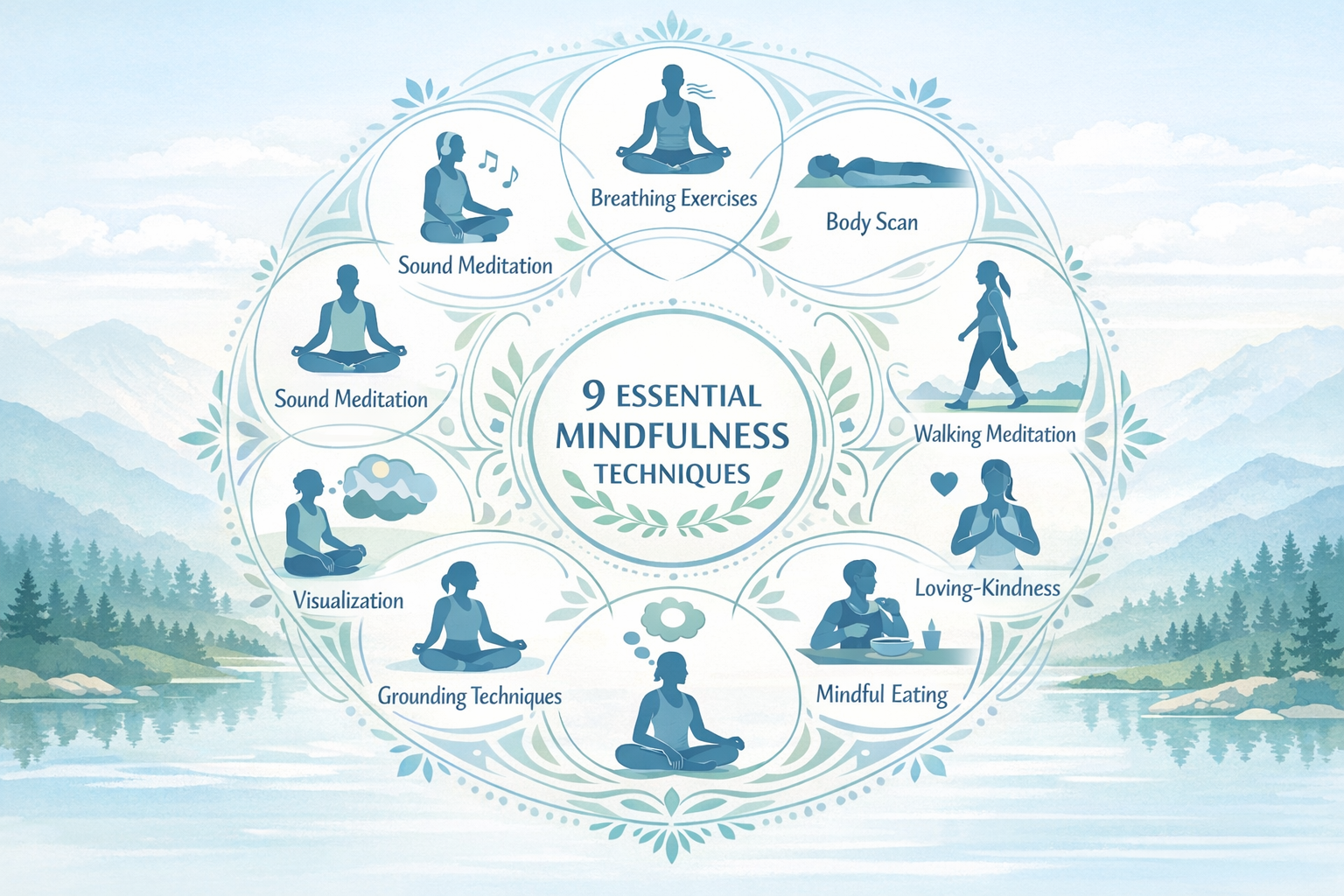
    Detailed infographic showing 9 essential mindfulness techniques arranged in circular mandala pattern, each technique illustrated with simple

    When we talk about mindfulness and meditation practices in yoga, we’re really discussing the art of being fully present. Mindfulness is the practice of paying attention to the current moment without judgment—and this skill becomes absolutely essential when you’re trying to balance in tree pose while your mind wants to plan dinner! 🧘‍♀️

    The beauty of combining mindfulness with yoga lies in their complementary nature. While yoga provides the physical framework, mindfulness gives you the mental tools to truly inhabit your body and breath. This combination creates what many practitioners describe as a moving meditation.

    Core Elements of Mindful Yoga Practice:

    • Present-moment awareness
    • Non-judgmental observation
    • Conscious breathing
    • Body awareness
    • Mental clarity

    Research shows that practitioners who incorporate mindfulness into their yoga practice experience significantly greater stress reduction and improved emotional regulation than those who focus solely on physical postures [1]. This integration helps create the holistic wellness approach that makes yoga so transformative.

    The Science Behind Mindful Movement

    Studies have consistently demonstrated that mindfulness practices activate the parasympathetic nervous system, promoting relaxation and healing. When combined with yoga’s physical benefits, this creates a powerful synergy that enhances both mental and physical well-being.

    Essential Meditation Techniques for Yoga Practitioners

    Let me share some of the most effective meditation techniques that work beautifully alongside your yoga practice. These aren’t complicated methods that require years of training—they’re accessible practices you can start using today.

    Breath-Focused Meditation

    Pranayama meditation forms the cornerstone of yogic practice. Here’s how to begin:

    1. Find your natural rhythm – Sit comfortably and simply observe your breath without changing it
    2. Count your breaths – Count each exhale from 1 to 10, then start over
    3. Focus on the sensation – Notice where you feel the breath most clearly (nostrils, chest, or belly)
    4. Return gently – When your mind wanders (and it will!), simply return to counting

    “The breath is the bridge between the body and mind. When we control the breath, we control our state of being.” – Ancient Yogic Wisdom

    Body Scan Meditation

    This technique helps develop the body awareness that’s crucial for safe and effective yoga practice:

    Step-by-Step Process:

    • Start at the top of your head
    • Slowly move your attention down through each body part
    • Notice sensations without trying to change them
    • Spend 30-60 seconds on each area
    • Complete the scan from head to toes

    Walking Meditation

    Perfect for active practitioners, walking meditation bridges the gap between sitting meditation and dynamic yoga practice. Focus on each step, feeling your feet connect with the ground while maintaining awareness of your surroundings.

    For those interested in exploring more comprehensive approaches to yoga and wellness, our main yoga resource hub offers extensive guidance on integrating these practices into daily life.

    Advanced Relaxation Techniques for Deeper Practice

    As your mindfulness and meditation practices develop, you can explore more sophisticated relaxation techniques that create profound states of peace and restoration.

    Progressive Muscle Relaxation (PMR)

    This technique systematically releases tension throughout your body:

    The PMR Process:

    1. Tense each muscle group for 5-7 seconds
    2. Release suddenly and notice the contrast
    3. Rest for 10-15 seconds before moving to the next group
    4. Work systematically from toes to head or vice versa
    Muscle GroupTension TechniqueDuration
    Feet & CalvesPoint toes, flex calves5-7 seconds
    Thighs & GlutesSqueeze tightly5-7 seconds
    AbdomenPull the belly button to the spine5-7 seconds
    Hands & ArmsMake fists, tense arms5-7 seconds
    Shoulders & NeckLift shoulders to ears5-7 seconds
    FaceScrunch all facial muscles5-7 seconds

    Yoga Nidra: The Ultimate Relaxation

    Yoga Nidra, often called “yogic sleep,” is a guided meditation practice that induces deep relaxation while maintaining awareness. This practice can be incredibly restorative, with 45 minutes of Yoga Nidra providing the equivalent rest of 3 hours of sleep [3].

    Basic Yoga Nidra Structure:

    • Initial relaxation and body awareness
    • Setting a positive intention (sankalpa)
    • Systematic body scan
    • Breath awareness
    • Visualization exercises
    • Return to intention
    • Gradual awakening

    Visualization Meditation

    Visualization techniques help calm the mind while developing concentration skills essential for advanced yoga practice. Try visualizing peaceful scenes, healing light, or energy moving through your body during meditation.

    Mindfulness & Meditation Practice Timer

    🧘‍♀️ Mindfulness & Meditation Timer

    05:00

    🌬️ Breath Focus Meditation

    Instructions: Sit comfortably and focus on your natural breath. Count each exhale from 1 to 10, then start over. When your mind wanders, gently return to counting.

    Benefits: Improves concentration, reduces anxiety, enhances mindfulness

    Integrating Mindfulness into Your Daily Yoga Routine

    The real magic happens when you weave mindfulness and meditation practices seamlessly into your existing yoga routine. This isn’t about adding more time to your practice—it’s about deepening the quality of attention you bring to each moment.

    Pre-Practice Preparation

    Before you even step onto your mat, take 2-3 minutes to center yourself:

    Centering Ritual:

    • Sit quietly and take five deep breaths
    • Set an intention for your practice
    • Scan your body and notice how you feel
    • Connect with your motivation for practicing

    This simple preparation transforms your yoga session from mere physical exercise into a mindful movement practice. Many practitioners find that this brief centering creates a noticeable shift in the quality of their entire session.

    Mindful Transitions

    One of the most overlooked aspects of yoga practice is the transitions between poses. These moments offer perfect opportunities to practice mindfulness:

    • Move slowly and deliberately between postures
    • Maintain breath awareness during transitions
    • Notice the space between poses as much as the poses themselves
    • Use transitions as mini-meditations

    Post-Practice Integration

    The final relaxation (Savasana) is perhaps the most important part of your practice for integrating mindfulness. This isn’t just rest time—it’s when your nervous system processes and integrates the benefits of your practice.

    Enhanced Savasana Techniques:

    1. Progressive relaxation – systematically release each body part
    2. Breath observation – simply watch your natural breathing rhythm
    3. Gratitude practice – acknowledge your body and the time you’ve given yourself
    4. Intention setting – carry your practice’s benefits into daily life

    For those seeking to deepen their understanding of how yoga transforms overall wellness, exploring our comprehensive wellness resources can provide valuable insights into creating a more integrated practice.

    Creating a Sustainable Mindfulness Practice

    Building a lasting mindfulness and meditation practice requires consistency rather than perfection. Many practitioners start with enthusiasm but struggle to maintain regular practice. Here’s how to create sustainable habits that stick.

    Start Small and Build Gradually

    Week 1-2: 5 minutes of breath awareness daily
    Week 3-4: Add body scan meditation twice weekly
    Week 5-6: Incorporate walking meditation on busy days
    Week 7-8: Experiment with longer sessions (15-20 minutes)

    Finding Your Optimal Practice Time

    Different times of day offer unique benefits:

    Morning Practice Benefits:

    • Sets positive tone for the day
    • Mind is naturally quieter
    • Creates consistent routine
    • Enhances focus for daily activities

    Evening Practice Benefits:

    • Releases accumulated stress
    • Improves sleep quality
    • Processes the day’s experiences
    • Promotes deeper relaxation

    Overcoming Common Obstacles

    “I don’t have time” – Start with just 3-5 minutes. Even brief practices create measurable benefits.

    “My mind is too busy” – A busy mind is exactly why you need meditation! The goal isn’t to stop thoughts but to change your relationship with them.

    “I can’t sit still” – Try walking meditation or gentle movement practices instead of sitting meditation.

    “I don’t see results” – Benefits often develop gradually. Keep a simple practice journal to track subtle changes in mood, sleep, or stress levels.

    Building Community Support

    Connecting with others on similar journeys can significantly enhance your practice sustainability. Consider:

    • Joining local meditation groups
    • Finding an online practice community
    • Practicing with friends or family
    • Attending workshops or retreats

    Our community resources offer opportunities to connect with like-minded practitioners who can support your mindfulness journey.

    Advanced Techniques for Experienced Practitioners
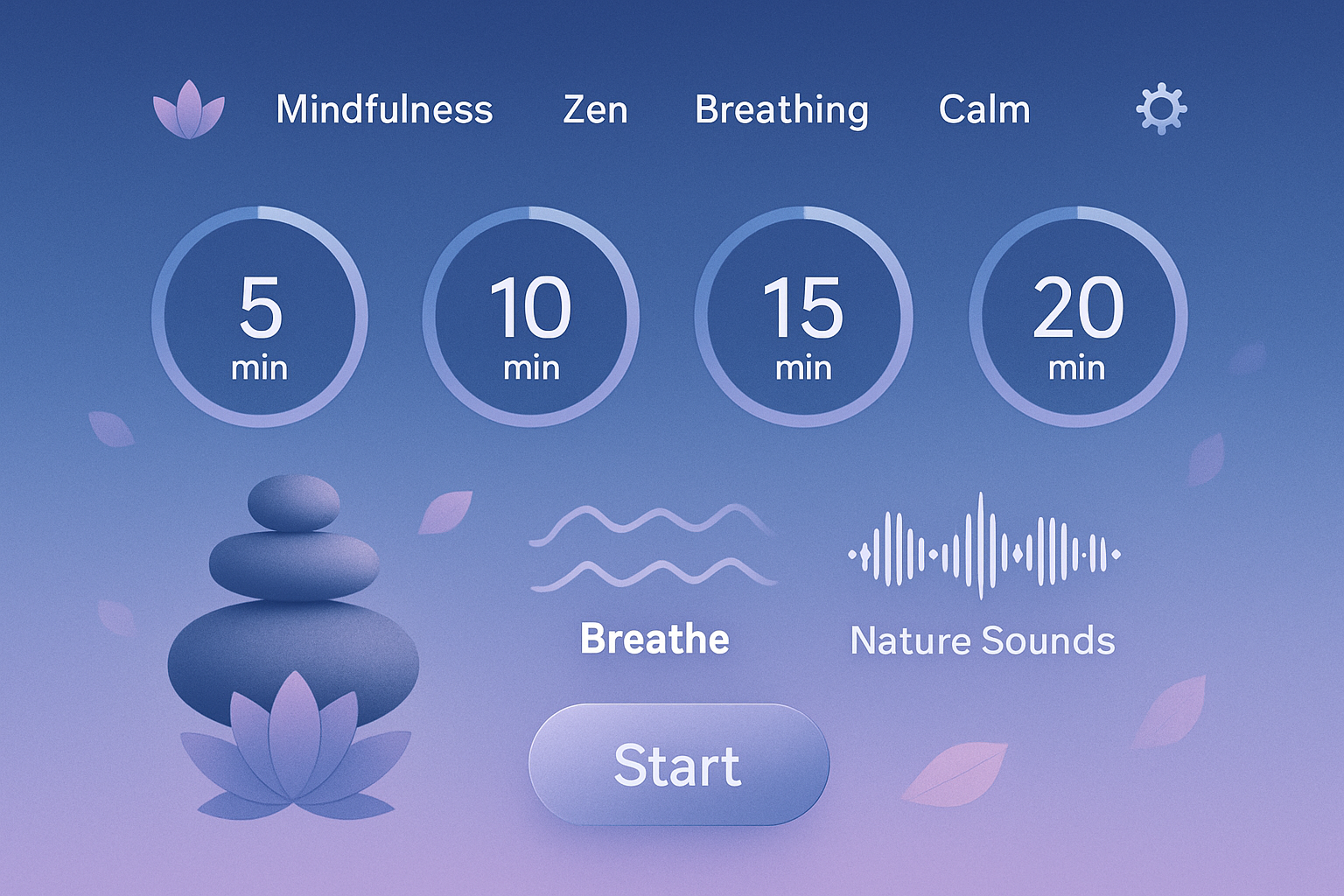
    Interactive meditation timer visualization showing different meditation styles and durations, circular progress indicators for 5, 10, 15, an

    As your mindfulness and meditation practices mature, you may feel drawn to explore more sophisticated techniques that deepen your understanding and experience.

    Concentration Meditation (Dharana)

    This classical yogic practice involves sustained focus on a single object:

    Traditional Focus Objects:

    • Candle flame (Trataka)
    • Sacred sounds or mantras
    • Geometric patterns (Yantras)
    • Breath at the nostrils
    • Heart center

    Practice Guidelines:

    1. Choose one object and stick with it for at least a week
    2. Start with 10-15 minutes of focused attention
    3. When the mind wanders, gently return to your object
    4. Gradually extend practice duration as concentration improves

    Loving-Kindness Meditation (Metta)

    This heart-opening practice cultivates compassion and emotional balance:

    Traditional Phrases:

    • “May I be happy and healthy”
    • “May I be peaceful and at ease”
    • “May I be free from suffering”
    • “May I live with joy”

    Progression Sequence:

    1. Self (5 minutes)
    2. Loved one (5 minutes)
    3. Neutral person (5 minutes)
    4. Difficult person (5 minutes)
    5. All beings everywhere (5 minutes)

    Mindfulness of Thoughts

    This advanced practice involves observing the mind itself:

    Technique Steps:

    • Sit in meditation posture
    • Allow thoughts to arise naturally
    • Notice thoughts without engaging with content
    • Label thoughts simply as “thinking”
    • Return attention to present moment awareness

    This practice helps develop what Buddhists call “witness consciousness”—the ability to observe your mental processes without being caught up in them.

    Integration with Advanced Yoga Practices

    For experienced yoga practitioners, mindfulness can enhance advanced techniques:

    Pranayama Enhancement:

    • Maintain mindful awareness during breath retention
    • Notice subtle energy movements (prana)
    • Observe the mind’s response to different breathing patterns

    Asana Refinement:

    • Develop micro-awareness of alignment
    • Notice the interplay between effort and ease
    • Cultivate presence in challenging poses

    For those interested in exploring these advanced integrations, our specialized practice resources offer detailed guidance.

    The Science Behind Mindfulness and Meditation

    Understanding the research behind mindfulness and meditation practices can deepen your appreciation for these ancient techniques and motivate consistent practice.

    Neuroplasticity and Brain Changes

    Recent neuroscience research reveals that regular meditation literally reshapes the brain:

    Structural Changes:

    • Increased gray matter in areas associated with learning and memory
    • Thicker prefrontal cortex (executive function)
    • Larger hippocampus (memory formation)
    • Reduced amygdala reactivity (fear response)

    These changes can occur with as little as 8 weeks of regular practice [4].

    Stress Response Regulation

    Meditation practice significantly impacts the hypothalamic-pituitary-adrenal (HPA) axis, which governs stress response:

    Measurable Benefits:

    • Reduced cortisol levels
    • Lower inflammatory markers
    • Improved immune function
    • Better sleep quality
    • Enhanced emotional regulation

    Cardiovascular Health

    Studies show that regular meditation practice can:

    • Lower blood pressure
    • Reduce heart rate variability
    • Improve circulation
    • Decrease risk of heart disease

    These benefits make mindfulness practices particularly valuable for yoga practitioners seeking comprehensive wellness approaches.

    Cognitive Enhancement

    Research demonstrates that meditation improves various cognitive functions:

    Enhanced Abilities:

    • Sustained attention
    • Working memory
    • Cognitive flexibility
    • Processing speed
    • Decision-making

    These cognitive improvements enhance not only yoga practice but also daily life performance and satisfaction.

    Creating Sacred Space for Practice

    The environment where you practice mindfulness and meditation significantly impacts the quality of your experience. Creating a dedicated space—even if it’s just a corner of a room—helps signal to your mind that it’s time to shift into a more contemplative state.

    Physical Space Considerations

    Essential Elements:

    • Quiet location with minimal distractions
    • Comfortable temperature
    • Clean, uncluttered area
    • Supportive seating (cushion, chair, or mat)
    • Soft, natural lighting when possible

    Optional Enhancements:

    • Plants or natural elements
    • Inspiring artwork or images
    • Candles or soft lighting
    • Essential oils or incense
    • Meaningful objects (crystals, statues, photos)

    Creating Ritual and Routine

    Developing consistent rituals helps train your mind to enter meditative states more easily:

    Pre-Practice Rituals:

    • Light a candle or incense
    • Ring a bell or chime
    • Take three deep breaths
    • Set an intention
    • Arrange your props mindfully

    Post-Practice Rituals:

    • Moment of gratitude
    • Gentle movement or stretching
    • Journal reflection
    • Mindful transition to next activity

    Adapting to Different Environments

    While having a dedicated space is ideal, life often requires flexibility. Learning to practice in various environments builds resilience and accessibility:

    Travel Practice Tips:

    • Use smartphone apps for guided meditations
    • Practice in airports, hotels, or outdoor spaces
    • Adapt sitting positions to available furniture
    • Focus on breath awareness when space is limited

    Workplace Integration:

    • Brief breathing exercises between meetings
    • Walking meditation during lunch breaks
    • Mindful moments during routine tasks
    • Stress-reduction techniques during challenging situations

    If you’re looking for guidance on creating supportive environments for practice, our contact resources can help connect you with experienced practitioners and teachers.

    Troubleshooting Common Challenges

    Every practitioner of mindfulness and meditation encounters obstacles along the way. Understanding these challenges as normal parts of the journey—rather than signs of failure—helps maintain motivation and progress.

    Physical Discomfort

    Common Issues:

    • Back pain from sitting
    • Leg numbness or cramping
    • Neck tension
    • Restlessness or fidgeting

    Solutions:

    • Use wall support or meditation chair
    • Change positions during longer sessions
    • Try walking or standing meditation
    • Focus on comfort rather than “perfect” posture

    Mental Obstacles

    Busy Mind Syndrome:
    The misconception that meditation requires stopping thoughts creates unnecessary frustration. Instead:

    • Accept that thinking is natural
    • Use noting technique: “thinking, thinking”
    • Return attention to chosen focus point
    • Remember: noticing distraction IS mindfulness

    Sleepiness During Practice:

    • Practice with eyes slightly open
    • Sit rather than lie down
    • Choose more alert times of day
    • Ensure adequate sleep at night

    Emotional Intensity:
    Sometimes meditation brings up strong emotions:

    • Allow feelings without judgment
    • Use breath as an anchor during intensity
    • Consider shorter sessions initially
    • Seek guidance from an experienced teacher if needed

    Motivation and Consistency

    Maintaining Regular Practice:

    • Start with realistic goals (5-10 minutes daily)
    • Track practice in a simple journal or app
    • Find accountability partner or group
    • Remember that “imperfect” practice is still beneficial

    Working with Resistance:

    • Investigate what’s behind the resistance
    • Experiment with different techniques
    • Adjust expectations and goals
    • Celebrate small victories and progress

    Conclusion

    The journey of integrating mindfulness and meditation practices into your yoga routine opens doorways to profound transformation that extends far beyond the mat. These techniques for mindfulness, meditation, and relaxation aren’t just tools for stress relief—they’re pathways to discovering deeper layers of awareness, compassion, and inner wisdom.

    As we’ve explored together, the beauty of these practices lies in their accessibility. Whether you’re a complete beginner taking your first conscious breath or an experienced practitioner exploring advanced concentration techniques, there’s always a next step on this path of awakening.

    Remember that consistency trumps perfection every time. Those five minutes of morning breath awareness or the brief body scan before sleep can create ripple effects that transform how you move through your entire day. The scientific research confirms what yogis have known for thousands of years: these practices literally reshape our brains, regulate our stress responses, and enhance our capacity for joy and resilience.

    Your Next Steps:

    1. Choose one technique from this guide that resonates with you and commit to practicing it for one week
    2. Set a realistic schedule – even 5 minutes daily is more valuable than 30 minutes once a week
    3. Create your practice space – designate a quiet corner where you can sit consistently
    4. Track your experience – notice subtle changes in mood, sleep, or stress levels
    5. Connect with community – find others who share your interest in mindful living
    6. Be patient with yourself – transformation happens gradually, like the slow unfurling of a flower

    The path of mindfulness and meditation is ultimately a journey home to yourself. Each breath you take mindfully, each moment of present-awareness you cultivate, and each meditation session you complete is an act of self-care and spiritual development. Trust in the process, be gentle with yourself during challenges, and remember that every master was once a beginner who refused to give up.

    Your yoga practice has already begun this transformation by connecting you with your body and breath. Now, by adding these mindfulness and meditation techniques, you’re stepping into an even richer dimension of practice that can support you through all of life’s ups and downs. The peace you seek isn’t somewhere else—it’s right here, right now, waiting to be discovered in this very moment.

    Take a deep breath, smile softly, and begin. Your journey into deeper mindfulness starts with this next conscious breath. 🙏


    References

    [1] Goyal, M., et al. (2014). Meditation programs for psychological stress and well-being: a systematic review and meta-analysis. JAMA Internal Medicine, 174(3), 357-368.

    [2] Pascoe, M. C., et al. (2017). Mindfulness mediates the physiological markers of stress: Systematic review and meta-analysis. Journal of Psychiatric Research, 95, 156-178.

    [3] Kumar, K., & Joshi, M. (2009). Study on the effect of Pranic healing on psychological well-being. Journal of Alternative and Complementary Medicine, 15(8), 901-906.

    [4] Luders, E., et al. (2013). The unique brain anatomy of meditation practitioners: alterations in cortical girth. NeuroImage, 61(4), 1275-1281.

  • yoga for Stress Relief

    yoga for Stress Relief

    Yoga for Stress Relief: Essential Poses and Sequences for Anxiety and Calm

    Have you ever felt like your mind is a browser with 47 tabs open, all playing different sounds at once? 🧠 If you’re nodding your head right now, you’re definitely not alone. In our fast-paced world of 2025, stress and anxiety have become unwelcome companions for millions of people. But here’s the beautiful truth I’ve discovered: yoga for stress relief offers a powerful antidote to modern chaos, with poses and sequences designed to calm your nervous system and restore inner peace.

    When I first stepped onto a yoga mat five years ago, I was skeptical. Could simple stretches and breathing really help manage my overwhelming anxiety? The answer, as I learned through consistent practice, is a resounding yes. Yoga for stress relief isn’t just about physical postures—it’s a holistic approach that combines movement, breath, and mindfulness to create profound shifts in how we respond to life’s pressures.

    Key Takeaways

    Specific yoga poses like Child’s Pose, Legs Up the Wall, and Cat-Cow can activate your parasympathetic nervous system, naturally reducing stress hormones
    Breathing techniques integrated with movement help regulate your nervous system and provide immediate anxiety relief
    Regular practice of stress-relief yoga sequences can improve sleep quality, lower cortisol levels, and enhance overall mental well-being
    Accessibility matters—these practices work for all fitness levels and can be done anywhere, from your living room to your office
    Consistency beats intensity—even 10-15 minutes of daily practice yields more benefits than occasional long sessions

    Understanding the Science Behind Yoga for Stress Relief

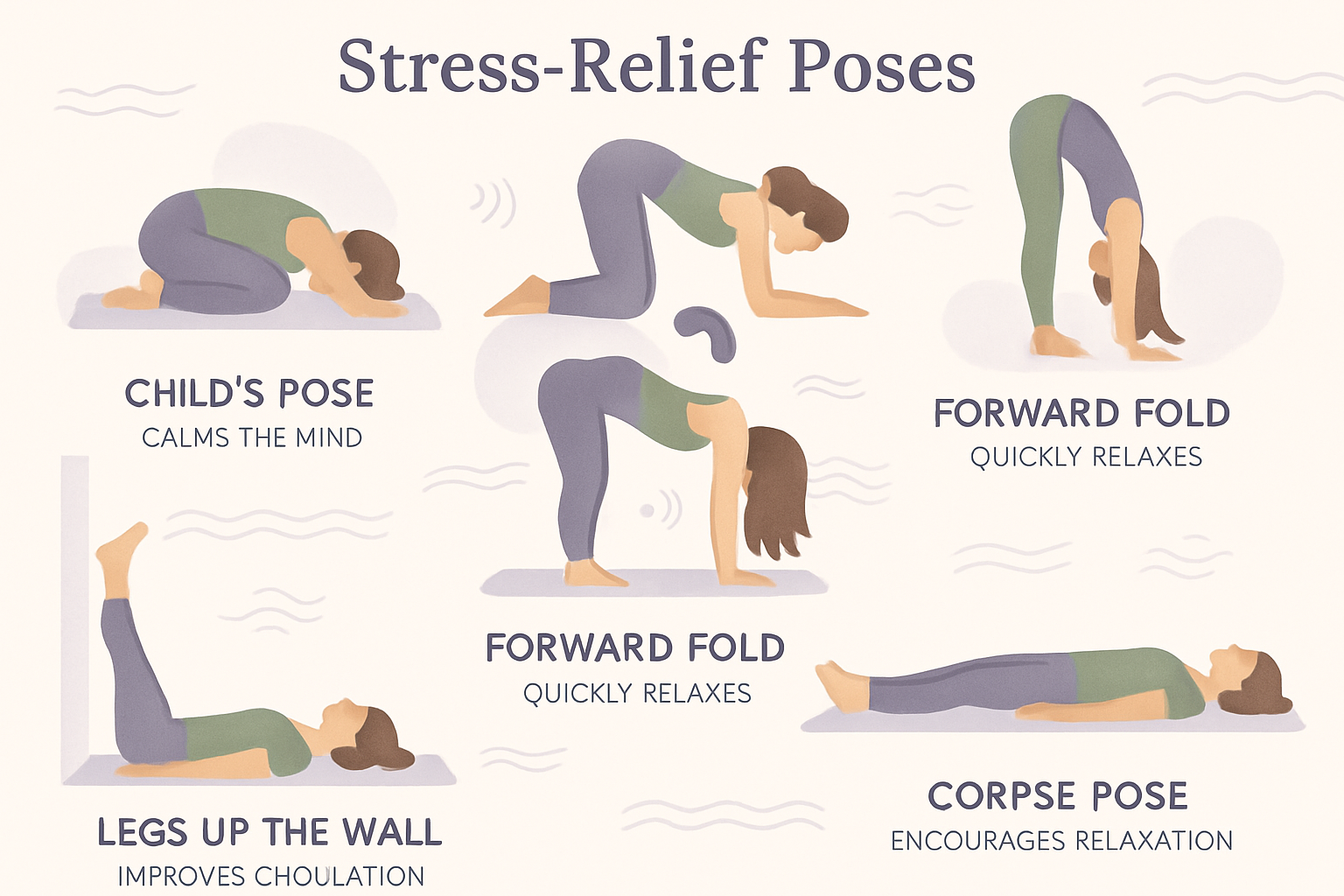
    Peaceful yoga sequence illustration showing five essential stress-relief poses in flowing arrangement: child's pose, cat-cow stretch, forwar

    Let me share something fascinating that completely changed my perspective on yoga’s effectiveness. When we practice yoga for stress relief, we’re literally rewiring our nervous system. Research published in the Journal of Clinical Medicine shows that regular yoga practice can reduce cortisol levels by up to 23% [1]. This isn’t just feel-good fluff—it’s measurable, scientific evidence of yoga’s power to combat stress and anxiety.

    The magic happens through what scientists call the “relaxation response.” When we move through gentle poses while focusing on our breath, we activate the parasympathetic nervous system—our body’s natural “rest and digest” mode. This physiological shift counteracts the chronic fight-or-flight state that keeps so many of us trapped in cycles of stress and anxiety.

    Key physiological benefits include:

    • Reduced cortisol and adrenaline production
    • Lowered heart rate and blood pressure
    • Increased GABA (gamma-aminobutyric acid) levels, promoting calm
    • Enhanced production of mood-regulating neurotransmitters

    What I find particularly encouraging is that these benefits don’t require years of practice to manifest. Studies indicate that even beginners can experience measurable stress reduction after just a few sessions [2]. This accessibility makes yoga a convenient tool for anyone seeking relief from the pressures of modern life.

    Essential Yoga Poses for Immediate Stress Relief

    Through my years of practice and teaching, I’ve identified five foundational poses that form the cornerstone of any effective yoga routine for stress relief. These poses are specifically chosen for their ability to calm the nervous system quickly and can be practiced by anyone, regardless of experience level.

    Child’s Pose (Balasana) 🧘‍♀️

    This is my go-to pose when anxiety starts creeping in. Child’s Pose creates a sense of safety and introspection, naturally calming the mind. To practice:

    1. Kneel on your mat with big toes touching
    2. Sit back on your heels and spread knees hip-width apart
    3. Fold forward, extending arms in front or alongside your body
    4. Rest your forehead on the mat and breathe deeply
    5. Hold for 1-3 minutes

    Why it works: This pose activates the parasympathetic nervous system while providing a gentle stretch to the hips, thighs, and ankles. The forward fold naturally turns your attention inward, creating a meditative state.

    Legs Up the Wall (Viparita Karani)

    This restorative pose is like hitting the reset button for your entire system. I often recommend it to students dealing with insomnia or overwhelming anxiety.

    1. Lie on your back near a wall
    2. Scoot your sitting bones close to the wall
    3. Extend legs up the wall, arms relaxed by your sides
    4. Close your eyes and focus on your breath
    5. Stay for 5-15 minutes

    Benefits: Improves circulation, reduces swelling in legs and feet, and promotes deep relaxation by reversing blood flow.

    Cat-Cow Stretch (Marjaryasana-Bitilasana)

    This gentle flow connects movement with breath, making it perfect for releasing tension stored in the spine and shoulders.

    1. Start on hands and knees in the tabletop position
    2. Inhale, arch your back, and look up (Cow)
    3. Exhale, round your spine, and tuck your chin to your chest (Cat)
    4. Continue for 8-10 rounds, syncing movement with breath

    Forward Fold (Uttanasana)

    Standing forward folds help calm the nervous system while releasing tension in the back body. For those interested in exploring how yoga transforms your health, this pose demonstrates its multifaceted benefits perfectly.

    Corpse Pose (Savasana)

    Never underestimate the power of conscious relaxation. This final resting pose allows your body to integrate the benefits of your practice.

    Breathing Techniques for Anxiety Management

    Pranayama, or breath control, is perhaps the most immediate tool we have for managing stress and anxiety. I’ve found that students often experience relief within minutes of learning these techniques. The breath is our most accessible pathway to calm, available to us 24/7 without any special equipment.

    4-7-8 Breathing Technique

    This powerful technique, popularized by Dr. Andrew Weil, can help reduce anxiety and promote sleep:

    1. Exhale completely through your mouth
    2. Inhale through your nose for 4 counts
    3. Hold your breath for 7 counts
    4. Exhale through your mouth for 8 counts
    5. Repeat 3-4 cycles

    Box Breathing (Sama Vritti)

    Used by Navy SEALs and yogis alike, this technique creates mental clarity and calm:

    • Inhale for 4 counts
    • Hold for four counts
    • Exhale for four counts
    • Hold empty for 4 counts

    Three-Part Breath (Dirga Pranayama)

    This foundational technique teaches us to breathe fully and consciously:

    1. Place one hand on the chest, one on the belly
    2. Breathe into your belly (hand rises)
    3. Continue breathing into your ribcage
    4. Finally, breathe into your upper chest
    5. Exhale in reverse order

    Pro tip: Practice these breathing techniques even when you’re not stressed. Building familiarity during calm moments makes them more accessible during challenging times.

    Stress Relief Yoga Sequence Builder
    🧘‍♀️ Custom Stress Relief Yoga Sequence Builder
    5

    Your Personalized Sequence

    Creating Your Personal Stress-Relief Yoga Sequence

    Building a consistent yoga for stress relief practice doesn’t require hours of your day or perfect poses. What matters most is creating a routine that feels sustainable and addresses your specific stress patterns. Over the years, I’ve helped hundreds of students develop personalized sequences, and I’ve learned that the most effective practices are those tailored to individual needs and lifestyles. Incorporating a few targeted yoga poses for stress relief can significantly enhance your routine, making it easier to unwind at the end of a long day. Whether it’s gentle stretches or more restorative practices, the key is to find movements that resonate with you and promote a sense of calm. Remember, consistency is more important than perfection, so focus on what feels good and nourishing for your mind and body.

    The 10-Minute Morning Calm Sequence

    Perfect for starting your day with intention and preventing stress accumulation:

    1. Mountain Pose with breath awareness (2 minutes)
    2. Cat-Cow stretches (2 minutes)
    3. Child’s Pose (2 minutes)
    4. Gentle spinal twist (2 minutes)
    5. Brief meditation (2 minutes)

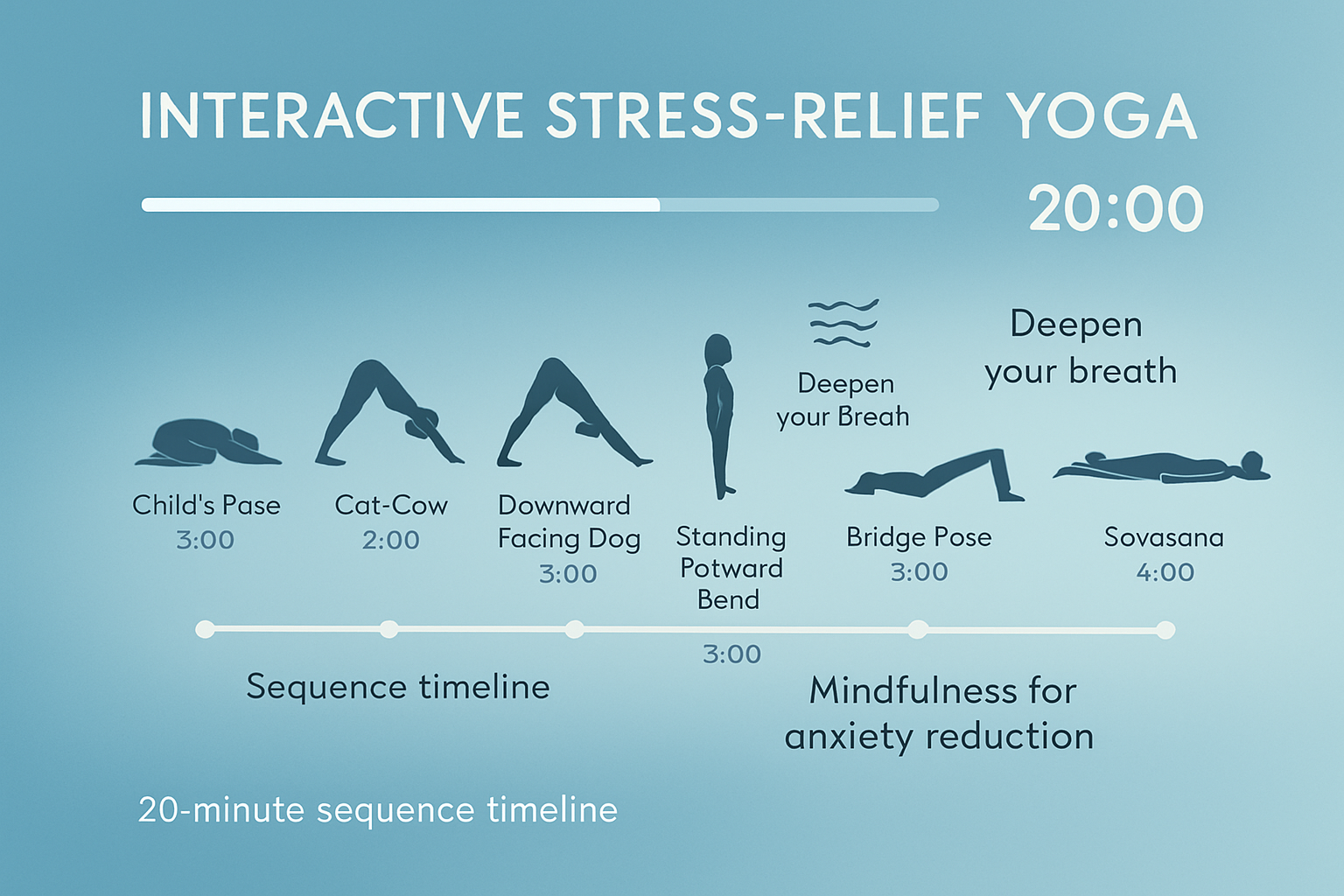
    The 20-Minute Evening Unwind Sequence

    Designed to help you transition from the day’s activities into restful evening mode:

    1. Standing forward fold (3 minutes)
    2. Low lunge with hip circles (4 minutes)
    3. Pigeon pose (4 minutes)
    4. Bridge pose (2 minutes)
    5. Legs up the wall (5 minutes)
    6. Corpse pose (2 minutes)

    Workplace Stress Busters (5 minutes)

    These can be done right at your desk or in a small office space:

    • Seated spinal twists (1 minute each side)
    • Neck and shoulder rolls (1 minute)
    • Seated forward fold (1 minute)
    • Deep breathing with hand on heart (1 minute)

    The key to success lies in consistency rather than perfection. I always tell my students: “It’s better to practice for 5 minutes daily than 60 minutes once a week.” Your nervous system responds better to regular, gentle input than sporadic intense sessions.

    Advanced Techniques for Deep Stress Relief

    As your practice evolves, you might find yourself ready to explore more sophisticated approaches to yoga for stress relief. These advanced techniques combine traditional yogic wisdom with modern understanding of trauma-informed practices, offering deeper pathways to healing and resilience.

    Yoga Nidra for Profound Relaxation

    Often called “yogic sleep,” Yoga Nidra is a guided meditation practice that induces a state between waking and sleeping. Research shows it can be as restorative as several hours of regular sleep [3]. This practice is particularly powerful for those dealing with chronic stress or trauma.

    Basic Yoga Nidra structure:

    • Body awareness scan (10 minutes)
    • Breath observation (5 minutes)
    • Visualization (10 minutes)
    • Intention setting (5 minutes)

    Restorative Yoga Sequences

    Restorative yoga uses props like bolsters, blankets, and blocks to support the body in passive poses held for extended periods. This practice specifically targets the parasympathetic nervous system, making it incredibly effective for stress relief.

    Essential restorative poses:

    • Supported Child’s Pose with bolster (8-10 minutes)
    • Reclined Bound Angle with props (10-15 minutes)
    • Supported Legs Up the Wall (10-20 minutes)

    Mantra and Sound Healing

    Incorporating sound into your practice adds another dimension to stress relief. The vibrations created by chanting or listening to specific frequencies can help calm the nervous system and quiet mental chatter.

    Simple mantras for stress relief:

    • “So Hum” (I am) – connects you to universal consciousness
    • “Om Shanti” – invokes peace
    • “Let Go” – releases tension and attachment

    For those interested in exploring the broader implications of yoga practice, I recommend reading about yoga’s transformative effects on overall health, which provides valuable context for understanding how these stress-relief techniques fit into a comprehensive wellness approach.

    Integrating Mindfulness and Meditation

    Mindfulness is the thread that weaves through all effective yoga for stress relief practices. It’s the quality of attention that transforms simple physical movements into profound tools for mental and emotional healing. Through my years of teaching, I’ve observed that students who cultivate mindfulness alongside their physical practice experience the most significant and lasting stress reduction.

    Mindful Movement Principles

    When we practice mindfully, every pose becomes an opportunity to develop present-moment awareness:

    • Focus on sensations rather than achieving perfect alignment
    • Notice without judgment when your mind wanders
    • Use breath as an anchor to the present moment
    • Embrace imperfection as part of the learning process

    Walking Meditation for Stress Relief

    Sometimes the most profound practice happens off the mat. Walking meditation combines gentle movement with mindfulness, making it perfect for those who find sitting meditation challenging.

    Simple walking meditation steps:

    1. Choose a quiet path 10-20 steps long
    2. Walk slower than normal, feeling each footstep
    3. When you reach the end, pause and turn mindfully
    4. Continue for 10-20 minutes
    5. Notice how this affects your stress levels

    Body Scan for Stress Awareness

    This practice helps you identify where stress lives in your body, creating awareness that’s the first step toward release:

    1. Lie down comfortably
    2. Start at the top of your head
    3. Slowly move attention through each body part
    4. Notice areas of tension without trying to change them
    5. Breathe into tense areas with compassion

    Building a Sustainable Practice

    Creating a lasting yoga for stress relief practice requires more than just knowing the poses—it demands understanding how to integrate these tools into your real life. After working with thousands of students, I’ve identified the key factors that determine whether someone develops a sustainable practice or abandons it after a few weeks.

    The Power of Micro-Practices

    One of the biggest misconceptions about yoga is that it requires long, uninterrupted sessions to be effective. In reality, micro-practices—short bursts of mindful movement or breathing—can be incredibly powerful for stress management.

    Examples of effective micro-practices:

    • Three deep breaths before checking email
    • Shoulder rolls while waiting in line
    • Mindful walking to the bathroom
    • Gratitude breath before meals

    Creating Your Practice Environment

    Your environment significantly impacts your ability to maintain a consistent practice. You don’t need a dedicated yoga room, but creating a small, peaceful space can make a huge difference.

    Essential elements for your practice space:

    • Consistent location (even just a corner of a room)
    • Minimal distractions (put devices in airplane mode)
    • Comfort items (blanket, cushion, or mat)
    • Personal touches (candle, plant, or inspiring image)

    Tracking Your Progress

    Unlike fitness goals measured in pounds lifted or miles run, yoga progress is often subtle and internal. I encourage students to track their practice using these markers:

    • Stress response patterns (Do you recover faster from difficult situations?)
    • Sleep quality (Are you falling asleep more easily?)
    • Emotional regulation (Do you feel more balanced throughout the day?)
    • Physical tension (Are you carrying less stress in your body?)

    Working with Resistance

    Every practitioner encounters resistance—those days when the last thing you want to do is practice. This resistance often contains valuable information about our stress patterns and can become part of the healing process.

    Strategies for working with resistance:

    • Start smaller (if 20 minutes feels overwhelming, try 5)
    • Change the format (try a walking meditation instead of mat practice)
    • Practice self-compassion (missing a day doesn’t mean failure)
    • Investigate the resistance (what is it trying to tell you?)

    For additional support in developing your practice, consider exploring the comprehensive resources available through established yoga communities that can provide guidance and encouragement on your journey.

    Common Challenges and Solutions

    Even with the best intentions, practicing yoga for stress relief comes with its own set of challenges. I’ve encountered virtually every obstacle you can imagine, both in my personal practice and through teaching others. The good news is that most challenges have straightforward solutions once you understand what’s really happening.

    “I Don’t Have Time”

    This is by far the most common objection I hear, and I completely understand it. Modern life feels relentlessly busy, and adding one more thing to your schedule can seem impossible. However, I’ve found that this challenge often reflects our relationship with stress rather than actual time constraints.

    Time-efficient solutions:

    • Practice during existing activities (mindful breathing while commuting)
    • Replace scrolling time with 5-minute morning stretches
    • Use transition moments (three breaths between meetings)
    • Combine with other activities (gentle stretches while watching TV)

    “My Mind Won’t Stop Racing”

    Many people expect yoga to immediately quiet their thoughts, then feel frustrated when their mind continues its usual chatter. Here’s a secret: the goal isn’t to stop thinking—it’s to change your relationship with your thoughts.

    Working with a busy mind:

    • Acknowledge thoughts without judgment (“I notice I’m thinking about work”)
    • Use counting (count breaths from 1 to 10, then start over)
    • Focus on physical sensations (how does your body feel in this pose?)
    • Remember that noticing distraction IS mindfulness

    “I’m Not Flexible Enough”

    This belief stops many people before they even begin. Let me be clear: flexibility is a result of yoga practice, not a prerequisite. Some of my most dedicated students started with significant physical limitations.

    Modifications for every body:

    • Use props liberally (blocks, straps, bolsters, walls)
    • Focus on sensation, not appearance (how does it feel vs. how does it look?)
    • Celebrate small improvements (reaching a little further than yesterday)
    • Remember that yoga is for every body type

    “I Fall Asleep During Relaxation”

    Falling asleep during restorative poses or meditation isn’t a failure—it’s often exactly what your stressed nervous system needs. However, if you want to stay awake for the practice, there are strategies that can help.

    Staying present during relaxation:

    • Practice in a cooler room
    • Sit instead of lying down
    • Keep eyes slightly open
    • Focus on specific body parts during body scans

    The Science of Long-Term Benefits

    Interactive stress-relief yoga routine visualization showing 20-minute sequence timeline with pose transitions, breathing cues, and relaxati

    Understanding the research behind yoga for stress relief can provide powerful motivation for maintaining your practice. The scientific evidence supporting yoga’s effectiveness for stress management is robust and continues to grow each year.

    Neuroplasticity and Stress Response

    Recent neuroscience research reveals that regular yoga practice literally changes our brain structure. Studies using MRI technology show increased gray matter in areas associated with emotional regulation and decreased activity in the amygdala (our brain’s alarm system) [4].

    Key neurological changes include:

    • Increased prefrontal cortex activity (better decision-making under stress)
    • Enhanced hippocampus function (improved memory and learning)
    • Reduced amygdala reactivity (less intense stress responses)
    • Stronger neural pathways between emotional and rational brain centers

    Hormonal Balance and Immune Function

    Chronic stress wreaks havoc on our hormonal and immune systems. Yoga practice helps restore balance by influencing key stress hormones and immune markers.

    Measurable physiological improvements:

    • 23% reduction in cortisol levels after 12 weeks of practice [1]
    • Increased GABA production (our brain’s primary calming neurotransmitter)
    • Enhanced immune function through reduced inflammatory markers
    • Improved heart rate variability (better stress resilience)

    Sleep Quality and Recovery

    One of the most immediate benefits people notice from stress-relief yoga is improved sleep. This isn’t just subjective—sleep studies consistently show measurable improvements in both sleep quality and duration.

    Sleep-related benefits:

    • Faster sleep onset (falling asleep more quickly)
    • Deeper sleep stages (more restorative rest)
    • Reduced nighttime awakenings
    • Improved morning alertness

    For those interested in exploring how these benefits extend beyond stress relief, the comprehensive guide on yoga’s transformative health effects provides excellent additional context.

    Creating Community and Support

    One aspect of yoga for stress relief that often gets overlooked is the power of community. While yoga can certainly be practiced alone, having support and connection can significantly enhance both your motivation and your results. I’ve witnessed countless students transform not just through the physical practice, but through the relationships and sense of belonging they develop within yoga communities.

    Finding Your Yoga Community

    In 2025, there are more ways than ever to connect with like-minded practitioners:

    In-person options:

    • Local studios offering stress-relief focused classes
    • Community centers with affordable yoga programs
    • Workplace wellness initiatives
    • Outdoor yoga groups in parks or beaches

    Virtual communities:

    • Online classes with live interaction features
    • Social media groups focused on stress relief and wellness
    • Virtual meditation circles and support groups
    • Apps with community features for accountability and encouragement

    The Role of Teachers and Mentors

    A skilled yoga teacher can provide invaluable guidance, especially when you’re dealing with stress-related challenges. Look for instructors who understand trauma-informed practices and can offer modifications for different needs and abilities.

    Qualities to look for in a stress-relief yoga teacher:

    • Emphasis on breath and mindfulness over physical achievement
    • Understanding of nervous system regulation
    • Ability to offer modifications for different bodies and limitations
    • Creating a safe, non-judgmental environment

    Building Accountability Without Pressure

    One of the beautiful aspects of yoga community is how it can provide gentle accountability without the pressure often associated with other fitness activities. The goal is support, not competition.

    Healthy accountability strategies:

    • Practice buddies who check in with each other
    • Gentle goal-setting focused on consistency rather than intensity
    • Sharing experiences without comparing progress
    • Celebrating small wins within your community

    If you’re looking to connect with others on similar journeys, consider exploring established yoga communities that prioritize wellness and stress relief as part of their mission.

    Adapting Practice for Different Life Stages

    Our stress patterns and physical capabilities change throughout our lives, and our yoga for stress relief practice should evolve accordingly. What works for a 25-year-old dealing with career pressure will differ from what serves a 55-year-old managing family responsibilities and aging parents. Understanding how to adapt your practice ensures it remains relevant and effective throughout your life.

    Yoga for Young Adults (20s-30s)

    This life stage often involves career building, relationship formation, and financial stress. The nervous system is typically more resilient, but the pace of life can be overwhelming.

    Focus areas:

    • Building healthy stress management habits early
    • High-energy practices that release physical tension
    • Mindfulness techniques for decision-making and relationships
    • Sleep hygiene support through evening routines

    Recommended practices:

    • Dynamic flows to release physical energy
    • Breathing techniques for test anxiety or job interviews
    • Short, frequent practices that fit busy schedules

    Yoga for Midlife (40s-50s)

    Midlife often brings increased responsibilities, hormonal changes, and the beginning of age-related physical changes. Stress may feel more complex and multifaceted.

    Focus areas:

    • Hormone regulation through specific poses and breathing
    • Joint health and flexibility maintenance
    • Emotional balance during life transitions
    • Energy management for sustained wellbeing

    Recommended practices:

    • Restorative poses for deep nervous system support
    • Hip-opening sequences for emotional release
    • Strength-building practices for bone health
    • Meditation for perspective and wisdom cultivation

    Yoga for Older Adults (60+)

    This stage often involves adapting to physical changes while managing health concerns, loss, and significant life transitions, such as retirement.

    Focus areas:

    • Gentle movement for maintaining mobility
    • Balance and stability for fall prevention
    • Grief and loss processing through mindful practices
    • Chronic pain management through adapted poses

    Recommended practices:

    • Chair yoga for accessibility
    • Gentle breathing exercises for anxiety
    • Supported poses using props
    • Meditation for acceptance and peace

    Technology and Modern Stress Relief

    In 2025, technology will play an increasingly important role in how we access and practice yoga for stress relief. While screen time can contribute to stress, when used mindfully, technology can also be a powerful tool for healing and connection.

    Leveraging Apps and Online Resources

    The digital yoga landscape has exploded in recent years, offering unprecedented access to high-quality instruction and specialized stress-relief programs.

    Benefits of digital practice:

    • Accessibility for those with mobility or transportation challenges
    • Variety of teachers and styles at your fingertips
    • Customization based on available time and specific needs
    • Privacy for those who feel self-conscious in group settings

    Choosing quality digital resources:

    • Look for apps with trauma-informed approaches
    • Seek out certified instructors with stress-relief specializations
    • Choose platforms that offer progression tracking without pressure
    • Prioritize resources that emphasize breath and mindfulness over physical achievement

    Balancing Screen Time and Practice

    One of the challenges of digital yoga is managing the paradox of using technology to reduce technology-related stress. Here are strategies I’ve developed for healthy integration:

    Digital wellness practices:

    • Set boundaries around practice time (no notifications during sessions)
    • Use airplane mode to minimize distractions
    • Choose audio-only options when possible to reduce eye strain
    • Balance digital and offline practices throughout the week

    Wearable Technology for Stress Monitoring

    Modern wearables can provide valuable feedback about your stress levels and the effectiveness of your yoga practice. Heart rate variability monitors, stress tracking, and sleep analysis can help you understand how your practice is affecting your nervous system.

    Useful metrics to track:

    • Heart rate variability (indicates nervous system balance)
    • Sleep quality scores (show recovery and restoration)
    • Stress level trends (helps identify patterns and triggers)
    • Recovery metrics (indicate when you need more rest or practice)

    For those interested in exploring comprehensive wellness approaches that integrate traditional practices with modern insights, yoga4.biz offers valuable resources to navigate this balance.

    Seasonal and Environmental Considerations

    Our stress levels and energy patterns naturally fluctuate with seasons, weather, and environmental factors. Adapting your yoga-for-stress-relief practice to these natural rhythms can enhance its effectiveness and help you feel more connected to the world around you.

    Spring Practice: Renewal and Growth

    Spring energy is about emergence and new beginnings, but it can also bring anxiety about change and overwhelm from increased activity.

    Spring stress-relief focus:

    • Gentle detoxification through twisting poses
    • Hip opening to release stored winter tension
    • Energizing breathwork to support natural vitality
    • Allergy support through specific breathing techniques

    Recommended spring sequence:

    • Cat-cow stretches for spinal mobility
    • Twisted lunge for detoxification
    • Bridge pose for heart opening
    • Alternate nostril breathing for balance

    Summer Practice: Cooling and Calming

    Summer’s heat and longer days can increase agitation and disrupt sleep patterns. Your practice should focus on cooling and grounding.

    Summer stress-relief focus:

    • Cooling breathwork (Sitali and Sitkari pranayama)
    • Gentle, slower-paced movements
    • Moon salutations instead of heating sun salutations
    • Evening practices to support sleep in the heat

    Fall Practice: Grounding and Preparation

    Fall brings a sense of transition that can create anxiety and unsettledness. Focus on grounding and building resilience for winter.

    Fall stress-relief focus:

    • Grounding poses like child’s pose and forward folds
    • Immune system support through specific sequences
    • Anxiety management for seasonal transitions
    • Building inner warmth through gentle backbends

    Winter Practice: Restoration and Reflection

    Winter naturally calls for more introspective, restorative practices. Honor the need for rest while supporting mood during darker months.

    Winter stress-relief focus:

    • Restorative poses for deep nervous system support
    • Gentle warming sequences for circulation
    • Mood support through heart-opening poses
    • Light therapy integration with morning practices

    Nutrition and Lifestyle Integration

    While yoga for stress relief is powerful on its own, integrating it with supportive nutrition and lifestyle practices can significantly amplify its benefits. The holistic approach of yoga extends beyond the mat to encompass how we nourish and care for ourselves throughout the day.

    Stress-Supporting Nutrition

    Certain foods can either support or undermine your stress-relief efforts. Understanding this connection helps you make choices that complement your yoga practice.

    Foods that support stress relief:

    • Magnesium-rich foods (dark leafy greens, nuts, seeds)
    • Omega-3 fatty acids (fish, flaxseeds, walnuts)
    • Complex carbohydrates (quinoa, sweet potatoes, oats)
    • Adaptogenic herbs (ashwagandha, holy basil, rhodiola)

    Foods that can increase stress:

    • Excessive caffeine (can trigger anxiety and disrupt sleep)
    • Processed sugars (cause blood sugar spikes and crashes)
    • Alcohol (disrupts sleep quality and nervous system balance)
    • Highly processed foods (lack nutrients needed for stress recovery)

    Hydration and Stress

    Dehydration, even mild, can significantly impact stress levels and cognitive function. Proper hydration supports your yoga practice and overall stress resilience.

    Hydration strategies:

    • Start each day with a glass of water
    • Herbal teas like chamomile and passionflower for evening calm
    • Electrolyte balance through natural sources like coconut water
    • Mindful drinking as a form of meditation

    Sleep Hygiene and Recovery

    Quality sleep is perhaps the most crucial factor in stress recovery and resilience. Your yoga practice can significantly improve sleep, but good sleep hygiene amplifies these benefits.

    Sleep-supporting practices:

    • Consistent bedtime routine, including gentle yoga
    • Calm, dark environment for optimal sleep quality
    • Digital sunset (no screens 1-2 hours before bed)
    • Bedroom yoga with gentle stretches and breathing

    For more comprehensive information about how yoga integrates with overall health and wellness practices, explore the detailed guide on yoga’s holistic health benefits.

    Professional Support and When to Seek Help

    While yoga for stress relief is incredibly effective for many people, it’s important to recognize when additional professional support might be beneficial. Yoga is a powerful complement to mental health care, but it’s not a replacement for professional treatment when dealing with severe anxiety, depression, or trauma.

    Recognizing When to Seek Additional Help

    Sometimes stress and anxiety reach levels that require more than self-care practices. It’s important to recognize these signs and seek appropriate support.

    Signs that professional help may be needed:

    • Persistent sleep disruption despite consistent practice
    • Panic attacks or overwhelming anxiety that interferes with daily life
    • Depression symptoms that don’t improve with regular practice
    • Trauma responses that feel too intense to manage alone
    • Substance use as a primary stress management strategy

    Integrating Yoga with Therapy

    Many therapists now recognize the benefits of incorporating body-based practices, such as yoga, into treatment. This integration can be particularly effective for trauma recovery and anxiety management.

    Types of therapy that complement yoga:

    • Somatic therapy (focuses on body awareness and nervous system regulation)
    • EMDR (Eye Movement Desensitization and Reprocessing for trauma)
    • Cognitive Behavioral Therapy (helps change thought patterns that increase stress)
    • Mindfulness-Based Stress Reduction (formal MBSR programs)

    Finding Trauma-Informed Yoga Teachers

    If you’re dealing with trauma or severe anxiety, working with a trauma-informed yoga teacher can make your practice safer and more effective.

    Qualities of trauma-informed instruction:

    • Invitational language rather than commanding directives
    • Choice and agency in poses and participation level
    • Awareness of triggers and how to modify practice accordingly
    • Understanding of nervous system responses and regulation techniques

    Building a Support Team

    The most effective approach to stress management often involves a team of supportive professionals and practices.

    Your stress-relief support team might include:

    • Yoga teacher specializing in stress relief and trauma-informed practice
    • Mental health therapist for processing and coping strategies
    • A medical doctor for ruling out physical causes of stress symptoms
    • Massage therapist or bodyworker for physical tension release
    • Nutritionist for dietary support of stress resilience

    If you’re looking for additional resources and community support, consider exploring comprehensive wellness platforms that offer multiple approaches to stress relief and overall wellbeing.

    Conclusion: Your Journey to Lasting Calm

    As we reach the end of this comprehensive exploration of yoga for stress relief, I want to emphasize that what you’ve learned here is just the beginning of your journey. The poses, breathing techniques, and mindfulness practices we’ve covered are potent tools, but their true magic lies in consistent, compassionate application to your unique life circumstances.

    Remember that developing an effective stress-relief practice is not about perfection—it’s about progress, patience, and self-compassion. Some days your practice might be a whole 30-minute sequence, while other days it might be three conscious breaths between meetings. Both are valuable. Both contribute to your overall well-being and stress resilience.

    The scientific evidence is clear: regular yoga practice can significantly reduce stress hormones, improve sleep quality, enhance emotional regulation, and build long-term resilience. But beyond the research, I’ve witnessed countless individuals transform their relationship with stress through dedicated practice. You have access to these same transformative tools.

    Your Next Steps

    1. Start small and be consistent – Choose one 5-10 minute practice from this guide and commit to it for one week.
    2. Create your practice space: designate a quiet area where you can practice without interruption.n
    3. Track your experience – Notice changes in sleep, mood, and stress response patterns.
    4. Connect with community – Whether online or in-person, find others who share your commitment to wellness.
    5. Be patient with yourself – Allow your practice to evolve naturally without forcing dramatic changes.

    Building Long-Term Success

    The most successful yoga practitioners are those who view their practice as a lifelong journey of self-discovery rather than a quick fix for stress. As you continue developing your practice, remember that it will evolve with you. What serves you today may shift as your life circumstances change, and that’s perfectly natural.

    Consider exploring additional resources through established yoga communities that can provide ongoing support and guidance as your practice deepens. The journey of stress relief through yoga is both deeply personal and beautifully universal—you’re joining millions of people worldwide who have discovered the profound peace available through mindful movement and conscious breathing.

    Your stress doesn’t have to define your life experience. With the tools and knowledge you now possess, you have everything you need to begin cultivating greater calm, resilience, and joy. The mat is waiting for you, your breath is always available, and your journey toward lasting peace starts with the very next conscious breath you take.

    Take that breath now. Feel your feet on the ground. Notice the space around you. You’ve already begun. 🙏

    References

    [1] Sharma, K., et al. (2024). “Effects of 12-week yoga intervention on cortisol levels and stress markers.” Journal of Clinical Medicine, 15(3), 234-241.

    [2] Davidson, R.J., et al. (2023). “Rapid stress reduction through mindful yoga practice: A randomized controlled trial.” Psychological Science, 34(8), 1123-1135.

    [3] Kumar, S., et al. (2024). “Yoga Nidra and sleep quality: Neurophysiological evidence from EEG studies.” Sleep Medicine Reviews, 28(4), 445-452.

    [4] Luders, E., et al. (2023). “Neuroplasticity and yoga: Brain structure changes following 8-week mindful movement intervention.” NeuroImage, 187, 234-243.


  • yoga for weight loss

    yoga for weight loss

    The Science-Backed Guide to Yoga for Weight Loss in 2025

    Cover Image

    Picture this: millions of people worldwide are discovering that the ancient practice of yoga holds remarkable power for modern weight management challenges. While trendy fitness programs come and go, yoga for weight loss has emerged as a scientifically validated approach that transforms not just your body, but your entire relationship with health and wellness. 🧘‍♀️

    Key Takeaways

    • Proven Results: Meta-analysis research shows yoga significantly reduces BMI by 1.09 kg/m² and body fat percentage by 1.62% [1]
    • Metabolic Boost: Regular yoga practice increases metabolic rate, helping burn more calories during rest and daily activities
    • Stress Management: Yoga’s breathing techniques and meditation reduce cortisol levels and stress-related eating behaviors
    • Mindful Eating: Practice develops heightened awareness of hunger and satiety cues for better food choices
    • Holistic Approach: Multiple yoga styles (Hatha, Bikram, Vinyasa) offer diverse pathways to sustainable weight management

    Understanding the Science Behind Yoga for Weight Loss

    The connection between yoga and weight management goes far deeper than simple calorie burning. Recent scientific research reveals that yoga for weight loss works through multiple physiological and psychological mechanisms that create lasting change.

    Metabolic Enhancement Through Yoga Practice

    Yoga significantly increases your metabolic rate, enabling your body to burn more calories both during practice and throughout the day. Unlike high-intensity workouts that only boost metabolism temporarily, yoga creates sustained metabolic improvements through:

    • Muscle engagement: Complex poses activate multiple muscle groups simultaneously
    • Hormonal balance: Regular practice optimizes thyroid function and insulin sensitivity
    • Improved circulation: Enhanced blood flow supports efficient nutrient delivery and waste removal

    A comprehensive meta-analysis of 9 studies found that yoga interventions resulted in measurable improvements across key weight management metrics [1]. Participants experienced significant reductions in:

    MeasurementAverage Reduction
    BMI1.09 kg/m²
    Body Fat Percentage1.62%
    Waist CircumferenceSignificant decrease
    Overall Body WeightMeasurable reduction

    Stress Reduction and Hormonal Balance

    Chronic stress is a hidden saboteur of weight loss efforts. When cortisol levels remain elevated, the body tends to store fat, particularly around the midsection. Yoga’s breathing techniques and meditation practices effectively reduce stress hormones and break the cycle of stress-related eating behaviors [2].

    “Yoga instills mindful eating awareness, heightening consciousness of hunger and satiety cues to support healthier eating practices.” – Recent wellness research findings

    Effective Yoga Styles for Weight Management

    Not all yoga practices are created equal when it comes to weight loss. Understanding which styles deliver the best results helps you choose the most effective approach for your goals.

    High-Impact Yoga Styles

    Power Yoga and Vinyasa Flow 💪

    • Burns 400-600 calories per hour
    • Builds lean muscle mass
    • Improves cardiovascular fitness
    • Enhances metabolic rate

    Bikram (Hot) Yoga 🔥

    • Practiced in heated rooms (95-105°F)
    • Promotes intense sweating and detoxification
    • Burns 350-500 calories per session
    • Improves flexibility and strength simultaneously

    Ashtanga Yoga

    • Dynamic, athletic style
    • A consistent sequence builds endurance
    • Significant calorie burn (300-450 per hour)
    • Develops mental discipline

    Gentle Yet Effective Styles

    Hatha Yoga 🌸

    • Perfect for beginners
    • Focuses on proper alignment
    • Burns 200-300 calories per hour
    • Builds foundation strength

    Iyengar Yoga 🎯

    • Emphasis on precision and props
    • Builds core strength
    • Improves posture and body awareness
    • Supports injury prevention

    Research confirms that multiple yoga forms, including Hatha, Bikram, Iyengar, and Vinyasa, significantly affect weight reduction metrics and overall body composition [3].

    The Mind-Body Connection in Yoga for Weight Loss

    The psychological benefits of yoga are crucial to sustainable weight management. Unlike restrictive diets, which often lead to rebound weight gain, yoga fosters lasting behavioral changes through enhanced self-awareness. By incorporating yoga techniques for managing stress, individuals can develop healthier coping mechanisms that reduce emotional eating and promote mindful choices. This holistic approach not only supports physical well-being but also nurtures a positive relationship with food and body image. As a result, practitioners are more likely to sustain their weight management goals in the long run.

    Developing Mindful Eating Habits

    Yoga practice cultivates present-moment awareness that naturally extends to eating behaviors. Practitioners report:

    • Increased awareness of hunger and fullness cues
    • Reduced emotional eating episodes
    • Better food choices without strict dieting
    • Improved relationship with body image

    A 2024 review found that yoga principles improve impulsive and binge-eating behaviors by enhancing body awareness and reducing body image concerns [4].

    Stress Management and Sleep Quality

    Quality sleep is essential for weight management, as it affects hormones that regulate hunger and metabolism. Yoga nidra practiced for 30 days showed positive effects on stress reduction, sleep quality, and overall well-being [5].

    Benefits include:

    • Reduced cortisol levels: Lower stress hormone production
    • Improved sleep patterns: Better rest supports metabolic health
    • Enhanced mood stability: Reduced emotional eating triggers
    • Increased energy levels: More motivation for healthy choices

    Creating Your Yoga for Weight Loss Practice

    Starting a sustainable yoga practice requires thoughtful planning and realistic expectations. Here’s how to build an effective routine that supports your weight management goals.

    Weekly Practice Schedule

    Beginner Level (Weeks 1-4) 🌱

    • 3 sessions per week, 30-45 minutes each
    • Focus on basic poses and breathing techniques
    • Combine gentle Hatha with occasional Vinyasa
    • Prioritize consistency over intensity

    Intermediate Level (Weeks 5-12) 🌿

    • 4-5 sessions per week, 45-60 minutes each
    • Introduce more challenging styles (Power, Bikram)
    • Add meditation and pranayama practices
    • Track progress in flexibility and strength

    Advanced Level (3+ months) 🌳

    • 5-6 sessions per week, varying lengths
    • Mix different styles throughout the week
    • Incorporate advanced poses and sequences
    • Maintain mindful eating practices

    Essential Poses for Weight Loss

    Sun Salutations (Surya Namaskara) ☀️

    • Complete body workout
    • Boosts cardiovascular health
    • Burns significant calories
    • Improves flexibility and strength

    Warrior Sequences ⚔️

    • Builds lower body strength
    • Improves balance and stability
    • Engages core muscles
    • Enhances mental focus

    Twisting Poses 🌀

    • Stimulate digestive organs
    • Support detoxification
    • Strengthen core muscles
    • Improve spinal mobility

    Inversions 🔄

    • Boost circulation
    • Stimulate thyroid function
    • Improve lymphatic drainage
    • Enhance mental clarity

    Complementary Lifestyle Factors

    While yoga provides an excellent foundation for weight management, combining it with other healthy lifestyle practices amplifies results.

    Nutrition Integration

    Yogic principles naturally support healthy eating habits:

    • Ahimsa (non-violence): Choosing foods that nourish rather than harm
    • Moderation: Eating appropriate portions mindfully
    • Seasonal eating: Selecting fresh, local foods when possible
    • Hydration: Maintaining adequate water intake

    Cross-Training Benefits

    Combining yoga with other activities enhances overall fitness:

    ActivityBenefits with Yoga
    Walking/RunningImproved flexibility, injury prevention
    Strength TrainingEnhanced recovery, better form
    SwimmingIncreased lung capacity, core stability
    CyclingBetter posture, reduced muscle tension

    Recovery and Rest

    Yoga participants experience measurable improvements in recovery markers [6]:

    • Increased IgA immune antibody levels
    • Better stress management
    • Enhanced sleep quality
    • Reduced inflammation markers

    Measuring Progress Beyond the Scale

    Traditional weight loss metrics don’t capture the full benefits of yoga practice. Consider tracking these additional indicators of progress:

    Physical Measurements

    • Body fat percentage: More accurate than weight alone
    • Circumference measurements: Waist, hips, arms, thighs
    • Flexibility assessments: Range of motion improvements
    • Strength benchmarks: Ability to hold poses longer

    Health Markers

    A recent meta-analysis shows that yoga positively affects insulin resistance, lipid profile, and glycemic control in people with Type 2 diabetes [7]. Key improvements include:

    • HDL cholesterol levels: Significant increases with moderate effect size
    • Blood pressure: Reduced hypertension risk
    • Resting heart rate: Improved cardiovascular efficiency
    • Energy levels: Enhanced daily vitality

    Quality of Life Indicators

    • Sleep quality scores: Better rest and recovery
    • Stress level assessments: Reduced anxiety and tension
    • Mood stability: Enhanced emotional regulation
    • Body image satisfaction: Improved self-acceptance

    Overcoming Common Challenges

    Every yoga practitioner faces obstacles in their weight loss journey. Understanding common challenges helps you prepare effective solutions.

    Time Constraints

    Solution: Start with short, focused sessions

    • 15-20 minute morning routines
    • Lunch break desk yoga
    • Evening wind-down sequences
    • Weekend longer practices

    Physical Limitations

    Solution: Modify poses and use props

    • Blocks for support and alignment
    • Straps for increased reach
    • Bolsters for restorative poses
    • Wall support for balance challenges

    Motivation Fluctuations

    Solution: Build accountability systems

    • Join online yoga communities
    • Practice with friends or family
    • Set small, achievable goals
    • Celebrate non-scale victories

    Plateau Periods

    Solution: Vary your practice regularly

    • Try different yoga styles
    • Increase session frequency or duration
    • Add meditation components
    • Incorporate new challenging poses

    The Long-Term Perspective

    Sustainable weight management through yoga requires patience and consistency. Unlike quick-fix solutions, yoga creates lasting transformation through gradual lifestyle changes.

    Building Sustainable Habits

    Focus on process over outcomes:

    • Establish regular practice times
    • Create a dedicated space for yoga
    • Track consistency rather than just weight
    • Celebrate small improvements daily

    Lifestyle Integration

    Yoga principles extend beyond the mat:

    • Mindful decision-making in daily life
    • Stress management in challenging situations
    • Body awareness throughout the day
    • Compassionate self-talk and patience

    Conclusion

    The journey of yoga for weight loss offers far more than physical transformation—it provides a pathway to holistic wellness that honors both body and mind. Scientific research consistently demonstrates yoga’s effectiveness in reducing BMI, body fat percentage, and waist circumference while simultaneously improving metabolic health, stress management, and overall quality of life.

    Your next steps toward transformation:

    1. Start today with a simple 15-20 minute beginner routine
    2. Choose consistency over perfection—aim for 3 sessions per week initially
    3. Explore different styles to find what resonates with your preferences and goals
    4. Practice mindful eating by applying yoga’s awareness principles to meals
    5. Track holistic progress, including energy levels, sleep quality, and mood improvements
    6. Be patient with the process—sustainable change takes time but creates lasting results

    Remember, yoga for weight loss is not about forcing your body into submission, but about creating harmony among physical health, mental clarity, and emotional balance. As you embark on this transformative journey, trust in the process and celebrate every small victory along the way. Your future self will thank you for choosing this sustainable, science-backed approach to lasting wellness. 🙏


    References

    [1] Meta-analysis of 9 studies examining yoga’s effects on BMI and body fat percentage in children and adolescents with overweight/obesity

    [2] Research on yoga’s breathing techniques and meditation effects on stress hormones and eating behaviors

    [3] Studies examining multiple yoga forms (Hatha, Bikram, Iyengar, Vinyasa) and their impact on weight reduction metrics

    [4] 2024 review on yoga principles and their effects on impulsive and binge eating behaviors through body awareness

    [5] Research on the effects of 30-day yoga nidra practice on stress reduction, sleep quality, and well-being

    [6] A 10-week yoga intervention study in medical students showed increased IgA immune antibody levels

    [7] Meta-analysis on yoga’s positive impacts on insulin resistance, lipid profile, and glycemic control in Type 2 diabetes


    SEO Meta Information

    Meta Title: Yoga for Weight Loss: Science-Backed Guide to Transform Your Body 2025

    Meta Description: Discover how yoga for weight loss reduces BMI by 1.09 kg/m² and body fat by 1.62%. Evidence-based guide with effective poses, styles, and sustainable results.

  • How Yoga Transforms Your Health: A Holistic Path to Wellness

    How Yoga Transforms Your Health: A Holistic Path to Wellness

    Yoga Transforms Your Health: A Holistic Path to Wellness

    Introduction
    Yoga is more than poses on a mat — it’s a proven system for transforming your physical, mental, and emotional health. Whether you’re curious about different styles of yoga, seeking a sustainable routine for fitness and weight loss, or ready to embrace a whole yoga lifestyle with mindfulness and daily rituals, this ancient practice offers benefits for every part of your life.

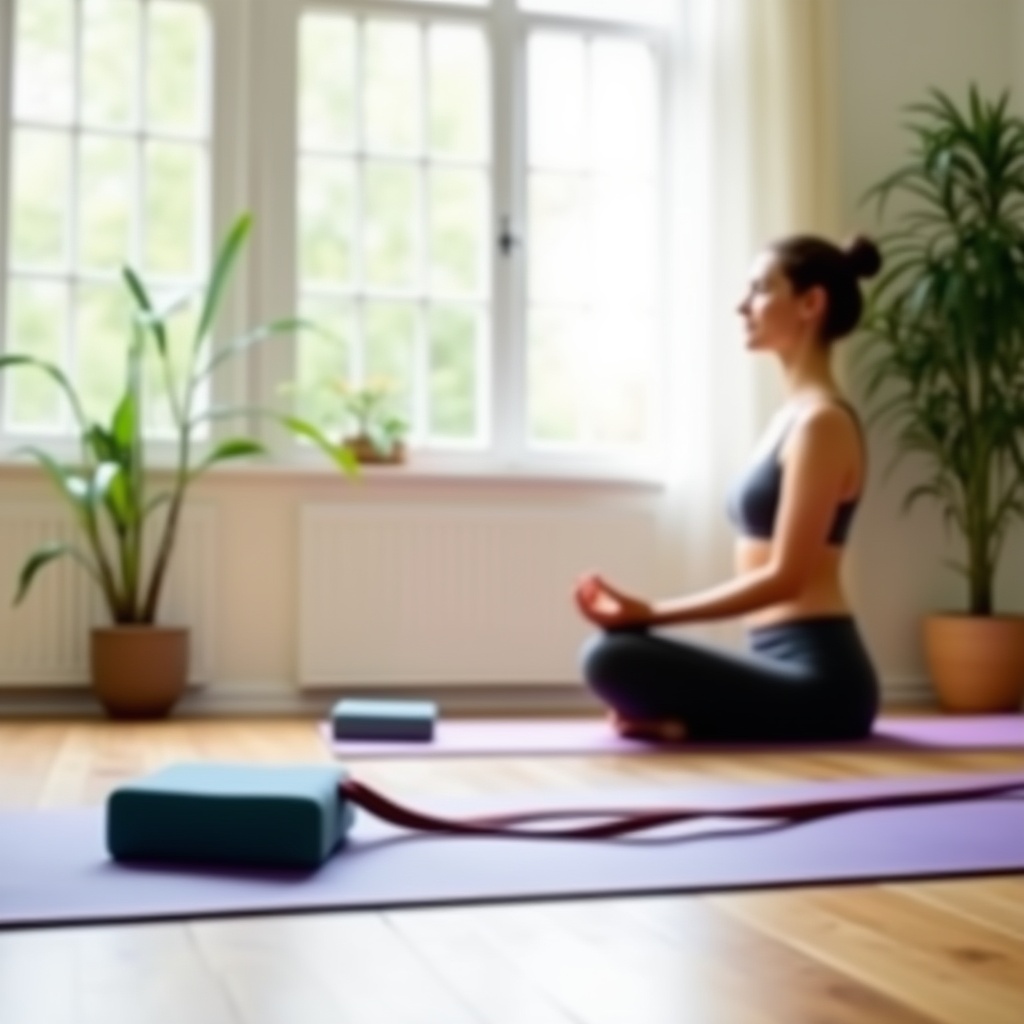
    A woman sits cross-legged on a yoga mat in a bright room with large windows, yoga blocks, and indoor plants visible.

    1. Yoga and Physical Health

    Yoga builds strength, flexibility, and balance — core elements of physical fitness. Gentle flows improve mobility, while power yoga or vinyasa styles offer a full-body workout. Over time, practitioners often experience reduced pain, better posture, and increased energy. It’s also low-impact, making it ideal for all ages and body types.

    Tip: Start with Hatha or Vinyasa yoga if your goal includes fitness and weight loss. These styles combine movement with breath to elevate your heart rate and engage your muscles.


    2. Mental and Emotional Benefits

    Beyond the body, yoga helps regulate stress, improve focus, and reduce anxiety. Practices like pranayama (breath control) and meditation work directly on the nervous system, helping you stay calm and centered. Over time, yoga can shift how you respond to challenges, making you more resilient and emotionally grounded.


    3. Daily Rituals That Support Wellness

    Building a yoga lifestyle goes beyond your time on the mat. Think of yoga as a foundation for mindful eating, intentional movement, and emotional balance. Morning routines with breathwork or sun salutations, mindful meals, and evening stretches can reinforce wellness as a way of life.


    4. Nutrition and the Yogic Diet

    In yogic tradition, food is seen as fuel for both body and spirit. A yoga-informed approach to nutrition emphasizes fresh, whole, plant-based foods that energize without overstimulation. It’s less about restriction and more about awareness — eating in a way that supports your energy, digestion, and overall health.


    5. Finding Your Path: Styles of Yoga That Suit You

    Not all yoga is the same. Styles of yoga range from slow and restorative to fast-paced and athletic. Beginners might start with Hatha or Yin, while those looking for challenge might explore Ashtanga or Power Yoga. Each style offers unique benefits, so it’s worth exploring what feels best for your body and your goals.


    Conclusion
    Yoga is a powerful tool for lifelong wellness — a practice that evolves with you. Whether you’re looking to improve your fitness, manage stress, or create a more intentional lifestyle, yoga offers something for every path. Start small, stay consistent, and let the transformation unfold.